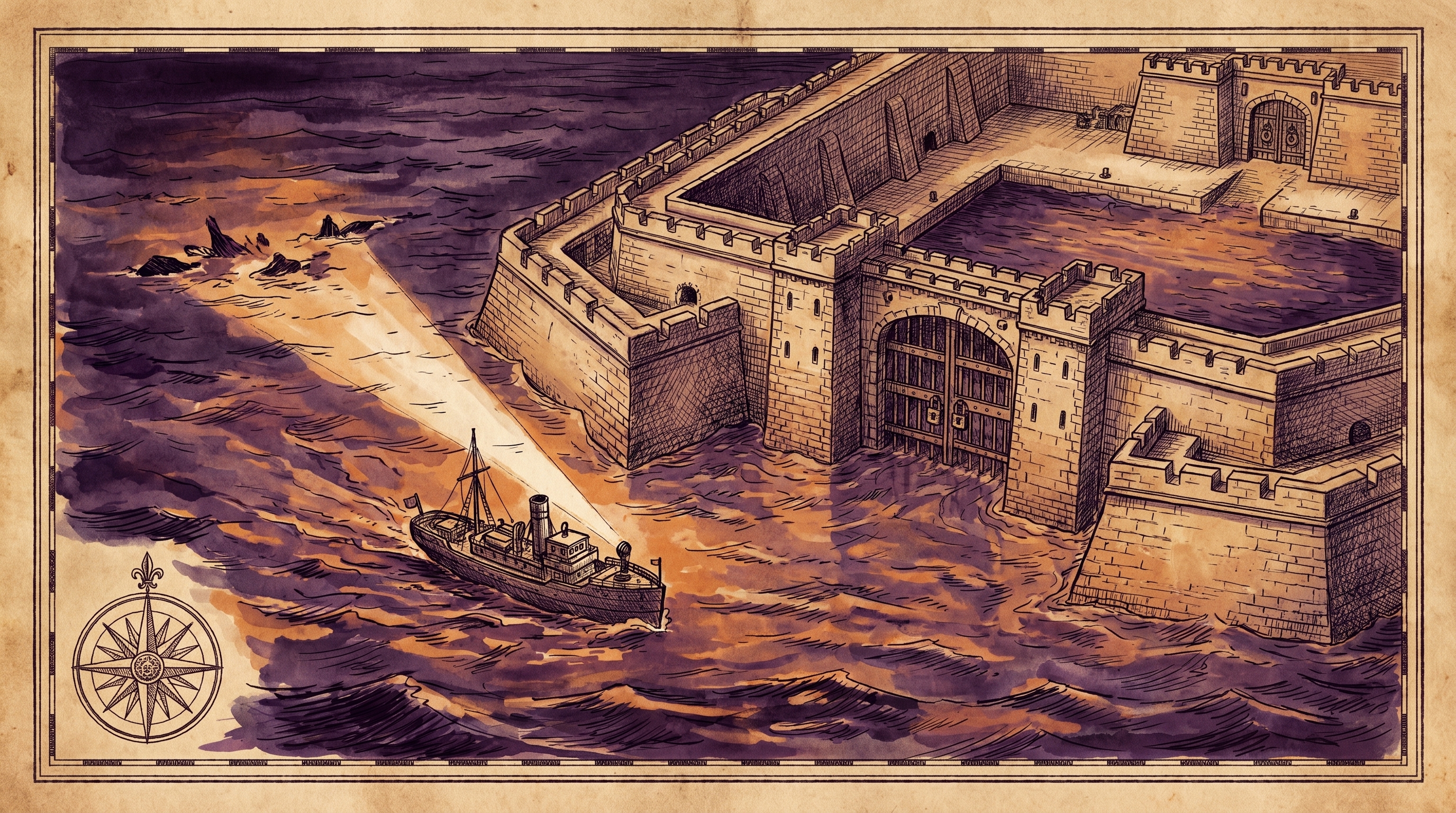
Zero Trust assumes breach. CTEM prevents it.
They’re not competing frameworks. They’re complementary layers.
Zero Trust says: don’t trust anything, verify everything, limit blast radius.
CTEM says: continuously find and fix the exposures that give attackers their initial foothold.
If you have Zero Trust without CTEM, you’ve locked all the doors but you don’t know which windows are open.
If you have CTEM without Zero Trust, you’re fixing windows but leaving all the doors unlocked.
Why You Need Both
Most organizations I work with started their Zero Trust journey 2-3 years ago. They’ve implemented identity verification, micro-segmentation, least-privilege access. These are real improvements. An attacker who gets in faces a much harder time moving laterally than they did five years ago.
But Zero Trust doesn’t reduce the number of ways an attacker gets in. It reduces what they can do after they’re in. That’s valuable — critically valuable — but it’s only half the equation.
CTEM addresses the other half. It continuously maps your attack surface, identifies exploitable exposures, and drives remediation of the vulnerabilities and misconfigurations that give attackers their initial access. Zero Trust makes breaches survivable. CTEM makes breaches less likely.
Running one without the other leaves a fundamental gap. And the threat landscape isn’t forgiving of fundamental gaps.
The Regulatory Push
The regulatory landscape is pushing both, simultaneously. This isn’t optional anymore for most organizations.
NIST CSF 2.0 explicitly calls for continuous monitoring and risk assessment — core CTEM functions — alongside identity management and access control — core Zero Trust functions.
CISA directives require federal agencies (and their contractors) to implement both continuous vulnerability management and zero trust architectures, with specific milestones and deadlines.
SEC materiality requirements mean public companies must be able to articulate their exposure posture and their breach containment strategy. CTEM answers the first. Zero Trust answers the second.
NIS2 and DORA in Europe demand continuous risk assessment and operational resilience — language that maps directly to CTEM and Zero Trust respectively.
PCI DSS 4.0.1 tightened requirements for both vulnerability management (continuous, risk-ranked) and access control (zero trust principles).
None of these frameworks say “pick one.” They all expect both.
The Integrated Operating Model
The organizations I work with across the US and Latin America that are furthest ahead run both simultaneously, and they’ve figured out that the two programs actually reinforce each other:
CTEM feeds Zero Trust decisions. When CTEM identifies that a server has an exploitable vulnerability that can’t be patched immediately, Zero Trust policies can restrict access to that server — reducing the blast radius of the exposure while remediation is pending. The exposure data becomes an input to the access policy.
Zero Trust informs CTEM prioritization. When Zero Trust segmentation data shows that a vulnerable host is already isolated from critical assets, CTEM can deprioritize that finding in favor of one where segmentation gaps exist. The access architecture becomes context for risk ranking.
Shared telemetry reduces blind spots. Both programs consume overlapping data — asset inventories, network topology, identity data, endpoint telemetry. Running them off shared data sources eliminates the inconsistencies that plague organizations running separate tools with separate inventories.
Answering the Board’s Questions
Together, CTEM and Zero Trust answer the two questions every board asks:
“What are we exposed to?” — CTEM answers this with continuous attack surface visibility, exploitability validation, and exposure trending over time.
“What happens if we get breached?” — Zero Trust answers this with least-privilege access, micro-segmentation, continuous verification, and blast radius containment.
If you can answer both questions with data — not opinions, not frameworks, not vendor slide decks, but actual data from your environment — you earn your budget. More importantly, you earn trust. Board trust, executive trust, and the kind of organizational credibility that turns security from a cost center into a strategic function.
The organizations that can’t answer these questions with data are the ones that lose budget in downturns, get second-guessed on every purchase, and scramble to explain their posture after every headline breach.
CTEM and Zero Trust together aren’t just a technical strategy. They’re a communication strategy — a way to translate security operations into business language that executives understand and fund.
If your organization is investing in one but not the other, you’re leaving half the answer on the table. And boards don’t fund half-answers.